
You do not have any products added to your quote.
Trouble finding a product?
Contact us.
AGM shock monitoring are engineered to detect, indicate, and record shock and impact events experienced by sealed containers and sensitive equipment during handling, transport, and storage. These solutions help identify potentially damaging shock events that may affect equipment integrity, performance, or quality outcomes.
Shock monitoring is appropriate when sealed containers or sensitive equipment are transported through environments where impact, mishandling, or vibration may occur. It is especially relevant for high-value assets, calibrated instruments, and regulated supply chains where visibility into handling conditions supports quality control and accountability.
It’s a lot, we know. If you’re looking for something specific or aren’t sure what you need, try searching through all products or give us a shout and we’ll help!
Shock and vibration monitoring is the process of sensing shocks and vibrations and recording the associated data for review. AGM shock indicators and accelerometers allow you to detect and record shock or vibration that your equipment experiences during transport to help ensure your products aren’t mishandled.
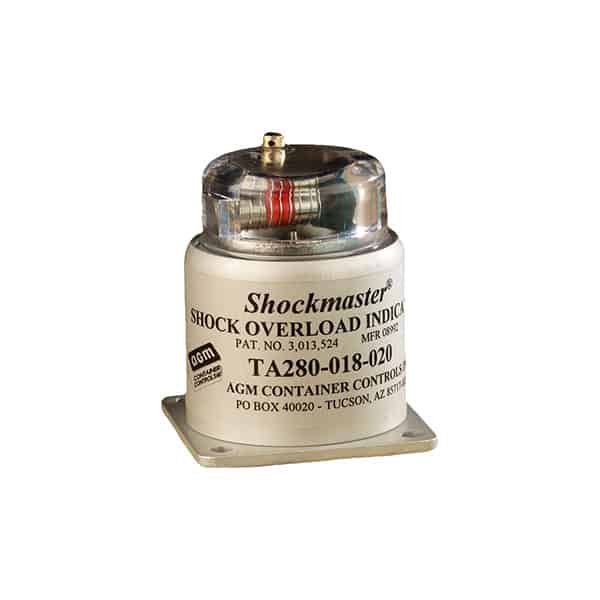
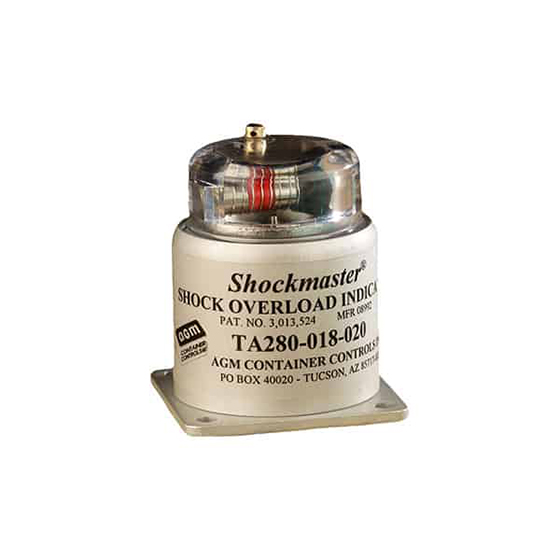
AGM Shockmaster shock indicators are mechanical devices set to trigger at predetermined shock or vibration force thresholds. Once a shock indicator is triggered, users will know whether a shock or vibration has been met or exceeded. Shockmasters have a pin that may be reset after triggering and are thus reusable. The indicator itself is sensitive along various axes depending on customer needs. Shockmasters are ideal when cargo features sensitivities to electronic signals.
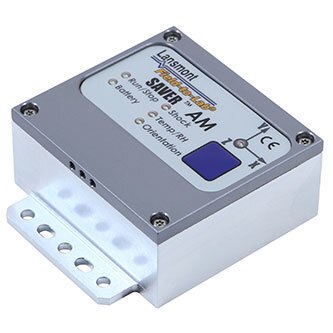
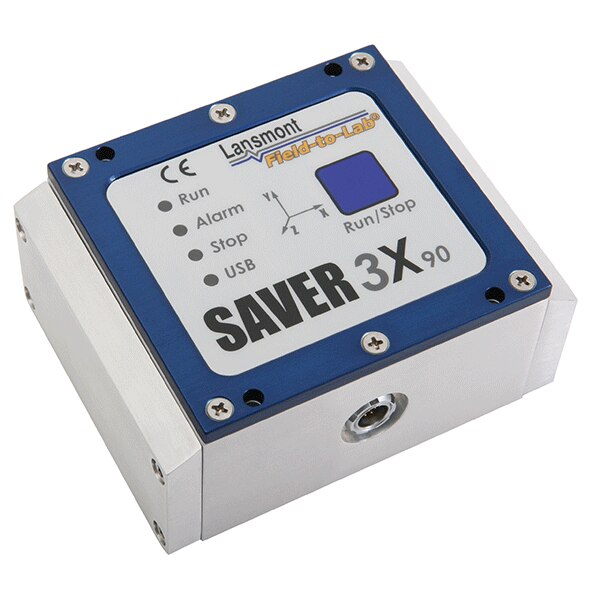
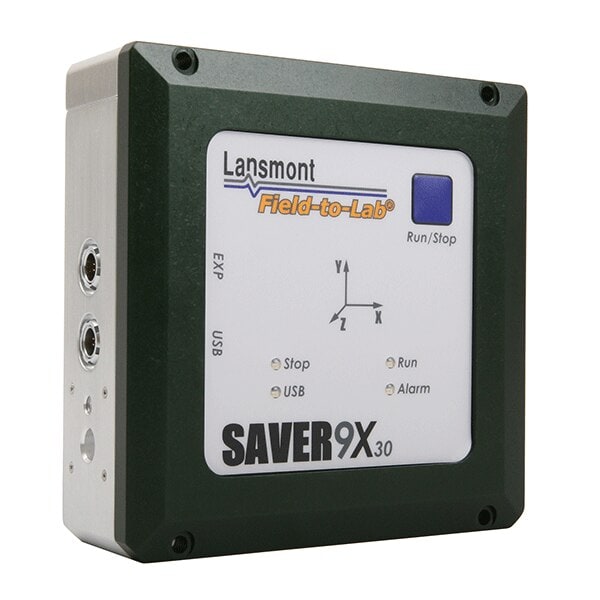
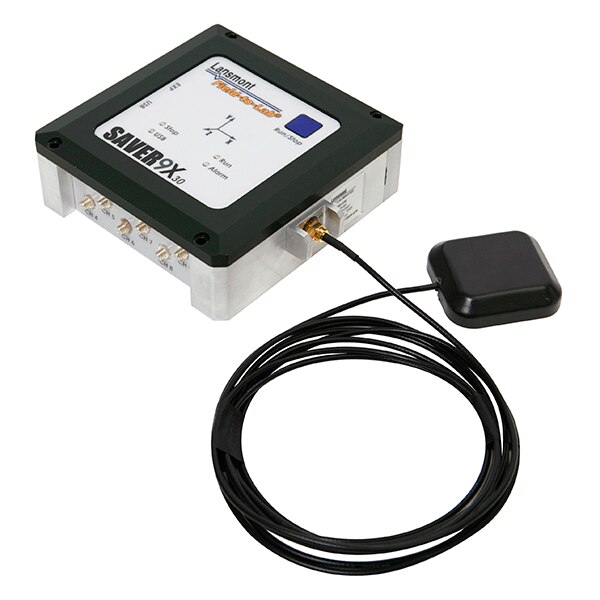
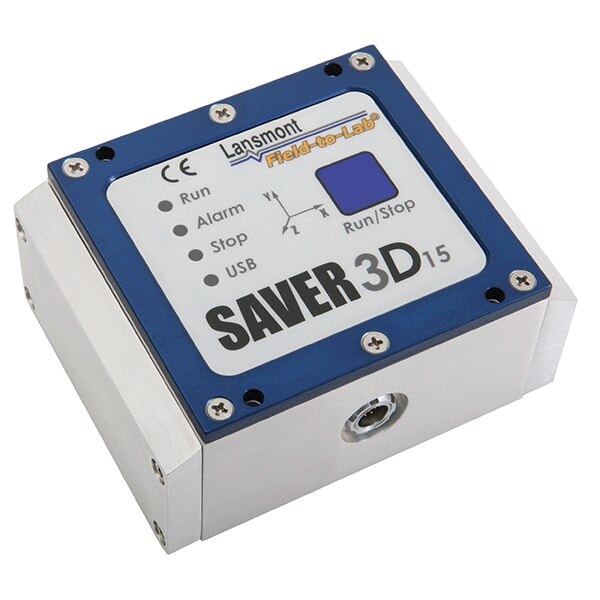
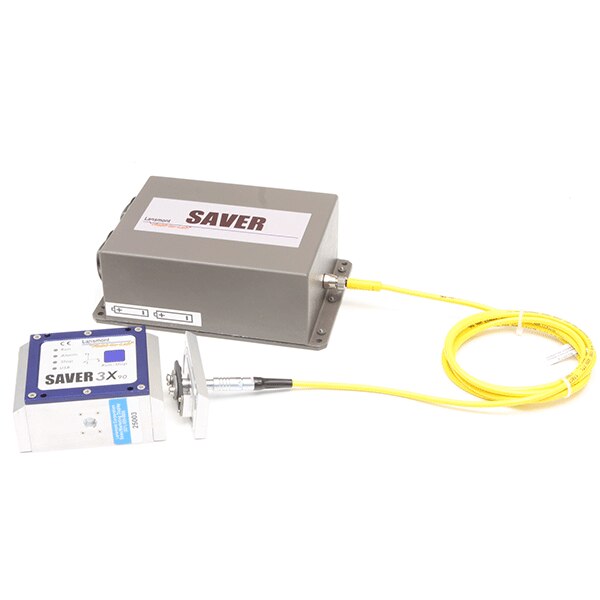
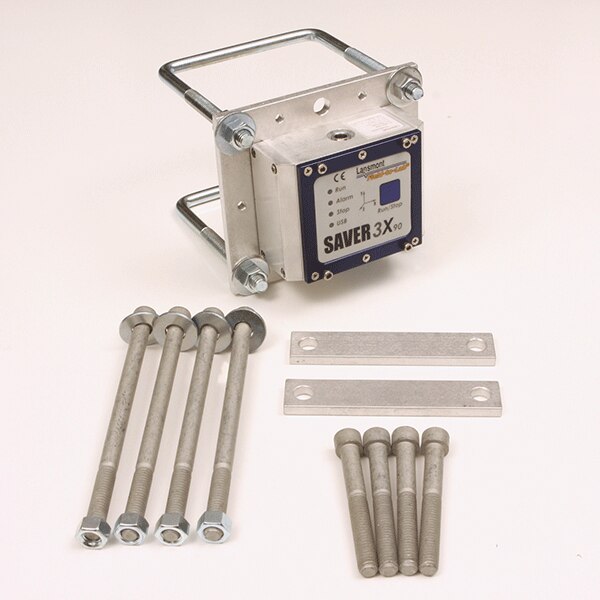
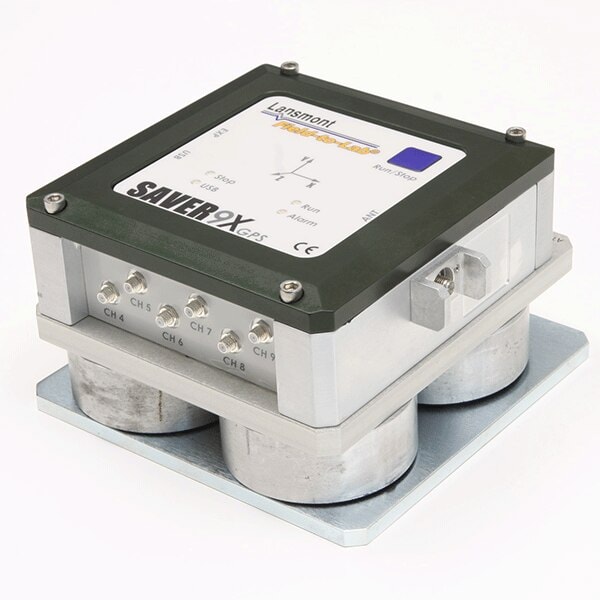
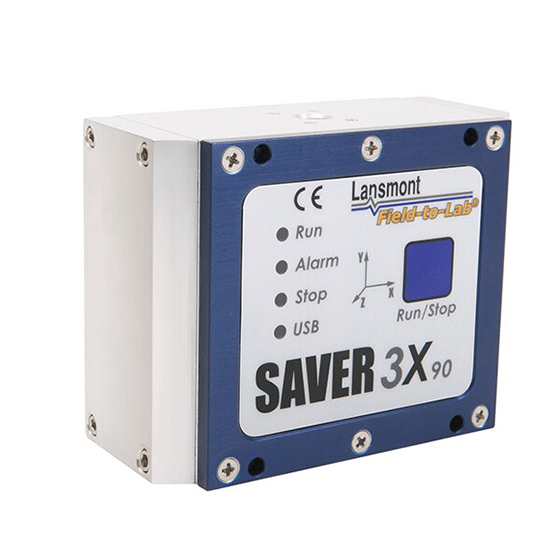
For digital recording, AGM features Lansmont Saver series shock and vibration accelerometers. These recorders are capable of storing temperature, humidity, pressure, and shock data. Additionally, various models feature GPS, as well as data export to their own software for analysis.
Some of the key benefits of monitoring shock or vibrations include (but are not limited to):
Containers may experience shock without visible external damage. Shock monitoring provides objective indication or data so you know whether handling conditions exceeded acceptable thresholds.
Impact events can compromise equipment calibration or performance even if the exterior appears undamaged. Monitoring provides early indication that inspection is needed.
Without monitoring, carriers and handlers may not be accountable for rough handling. Shock indicators and recorders can document impact exposure to support inspection and dispute resolution.
In regulated or contract-driven environments, proving that a shipment encountered or avoided shock is valuable for quality records and internal risk management.
If you’re interested in learning more about the benefits of shock monitoring equipment, contact our team today.
Aerospace & Defense Logistics
Shock monitoring products are used for sealed containers carrying aerospace and defense components, where impact detection supports inspection and compliance due to high handling uncertainty.
Calibrated or Sensitive Equipment Transport
AGM shock indicators and recorders help identify exposure to impact events for calibrated instruments, enabling targeted inspection and reducing the risk of undetected damage.
Quality Assurance in Industrial Shipments
In industrial and high-value electronics transport, shock monitoring provides objective evidence of handling conditions, supporting internal quality management and carrier accountability.
Industry Applications
Yes, our shock and vibration monitoring equipment will record any instances of shock, impact, or vibration for your review.
Shock indicators provide visual confirmation that a predefined impact threshold has been exceeded during handling or transport. Shock recorders, on the other hand, capture and store detailed acceleration data over time, allowing impact magnitude, duration, and event timing to be reviewed for analysis and documentation. AGM shock indicators are completely mechanical devices, while the shock recorders are electronic and utilize accelerometers to measure data.
A shock recorder is typically used when detailed documentation of handling conditions is required. For example, when shipping high-value equipment, regulated shipments, or quality-managed supply chains in which close documentation is required. Additionally, during shipping container testing or when shipments continue to arrive damaged and an exact reason is difficult to determine. Indicators are often sufficient when visual confirmation of impact exposure is adequate to trigger inspection.
Shock threshold selection depends on equipment sensitivity, packaging design, handling risk, and quality requirements. Threshold levels are typically selected based on expected transport conditions and the fragility of the contents. AGM can assist in selecting an appropriate monitoring configuration.
No, shock monitoring does not directly prevent impact events; rather, it detects and documents when shock exposure exceeds a specified threshold. Monitoring supports inspection decisions, quality assurance, and accountability in the event of potential mishandling.
Yes, shock monitoring can provide downloadable data logs that document impact exposure during handling and transport. This data may support internal quality processes, inspection procedures, or contractual documentation requirements.
Reusability depends on the specific product type. Many shock indicators are single-use devices that activate when a threshold is exceeded. Certain electronic shock recorders are reusable and can be reset or redeployed depending on configuration and model.
Shock monitoring detects sudden impact events that exceed predefined acceleration thresholds. Vibration monitoring measures continuous or repetitive motion over time. Depending on shipment sensitivity, one or both monitoring approaches may be appropriate.
It’s a lot, we know. If you’re looking for something specific or aren’t sure what you need, try searching through all products or give us a shout and we’ll help!