
You do not have any products added to your quote.
Trouble finding a product?
Contact us.
AGM corrosion prevention products are designed to reduce corrosion risk inside sealed containers and storage environments by controlling moisture, neutralizing corrosive elements, or inhibiting oxidation over time. These solutions help protect metal components and sensitive equipment during long-term storage and transport.
Corrosion prevention is commonly required when metal components or assemblies are stored for extended periods, transported through varying climates, or exposed to environments where humidity, temperature changes, or corrosive agents may be present. Even sealed containers can experience internal conditions that accelerate oxidation if moisture is not properly managed.
It’s a lot, we know. If you’re looking for something specific or aren’t sure what you need, try searching through all products or give us a shout and we’ll help!
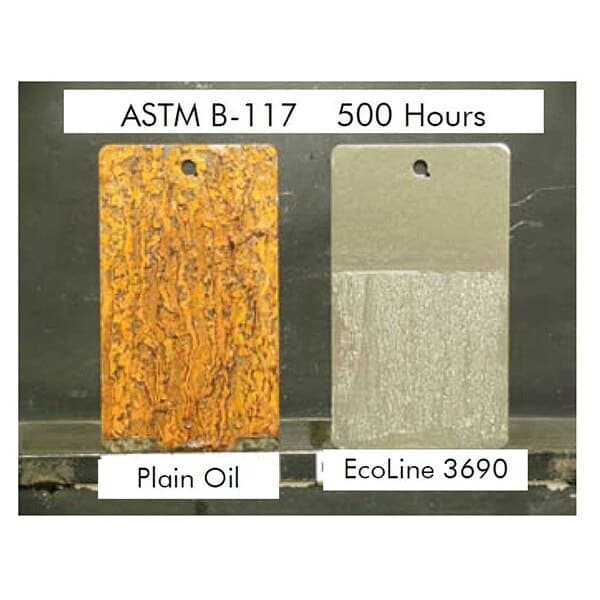
VpCI stands for Vapor phase Corrosion Inhibitors, a breakthrough technology where the corrosion inhibitor substance is transported to metal surfaces through a vapor phase instead of requiring actual contact with metal surfaces (as is typical with traditional VCIs).
Volatile corrosion inhibitors (VCI), also known as vapor phase corrosion inhibitors (VpCI), protect from rust and corrosion to ensure the integrity of any metal surface. VCIs are environmentally safe and do not contain nitrates or other harmful chemicals, providing exceptional product protection without the labor-intensive clean-up required with conventional oil coatings or other inhibiting products – even for previously corroded, painted or coated surfaces.
Exposure to moisture and oxygen can cause metal surfaces to oxidize over time. Corrosion prevention solutions help reduce the conditions that lead to surface degradation.
Localized corrosion can weaken structural components or affect precision parts. Managing internal container conditions helps mitigate long-term material damage.
Corrosion can affect electrical conductivity, mechanical tolerances, and overall equipment reliability. Preventive solutions support preservation of functional performance.
Corrosion discovered during inspection may trigger rework, rejection, or compliance concerns. Corrosion prevention supports storage practices aligned with quality expectations.
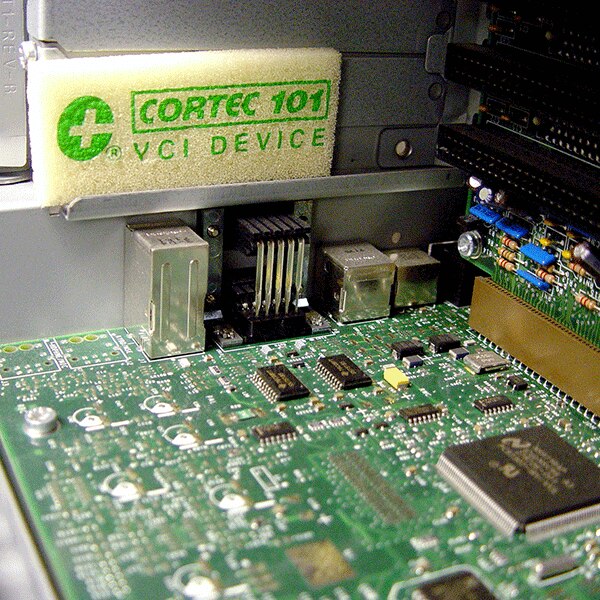
Vapor phase corrosion inhibitors are chemicals that prevent water vapor from corroding metal components. VPCIs provide multi-metal protection with corrosion-inhibiting vapors that condense onto the surface of the metal and form a thin, uniform, molecular layer.
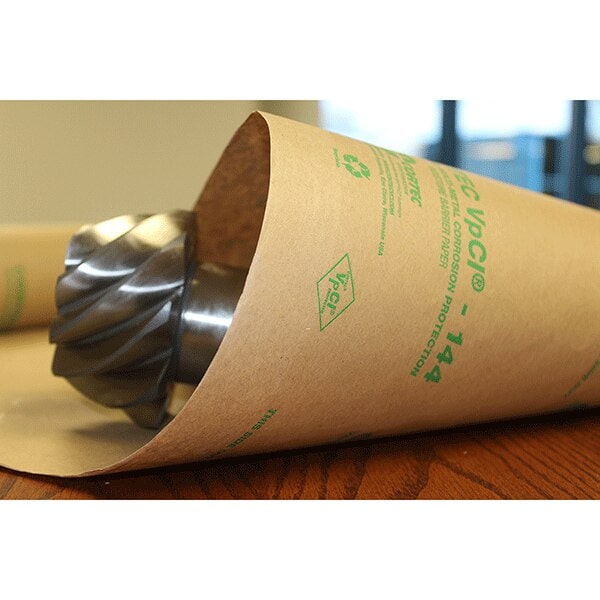
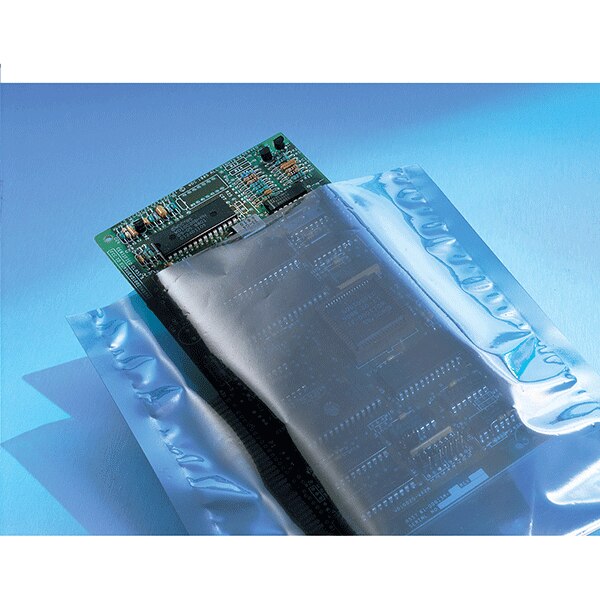
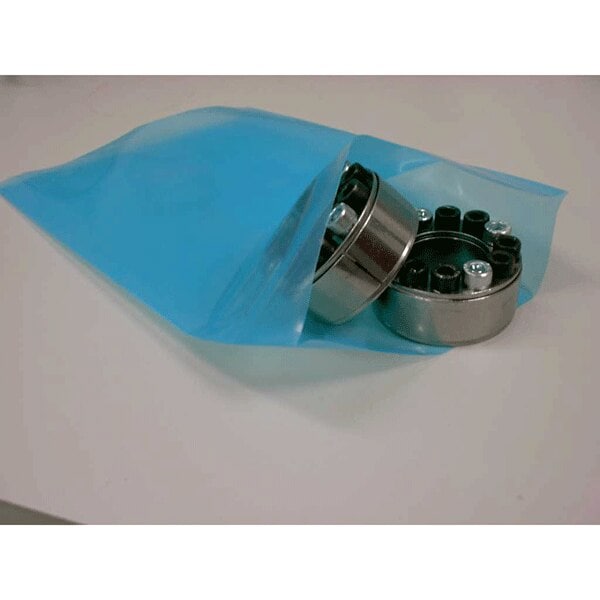
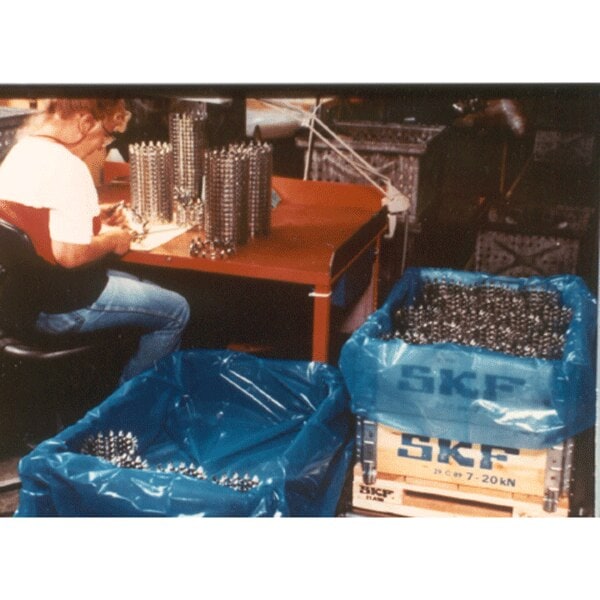
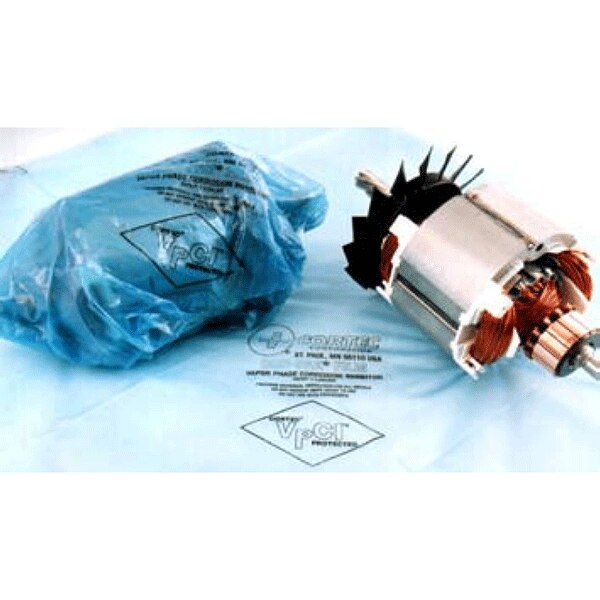
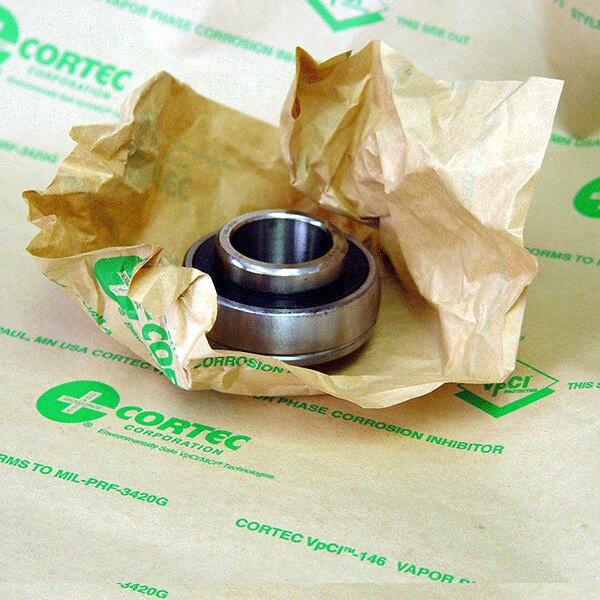
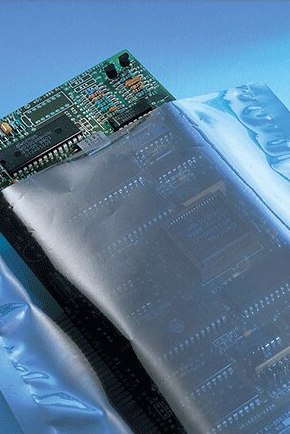
Paper and plastic bags used for shipping and storing metal components can be treated with these chemicals to prevent the corrosive effects of water vapor. While metal components are wrapped in paper or held in the bag, the VPCI chemicals will bond to the component surface in a thin, conformal molecular layer, thus preventing moisture.
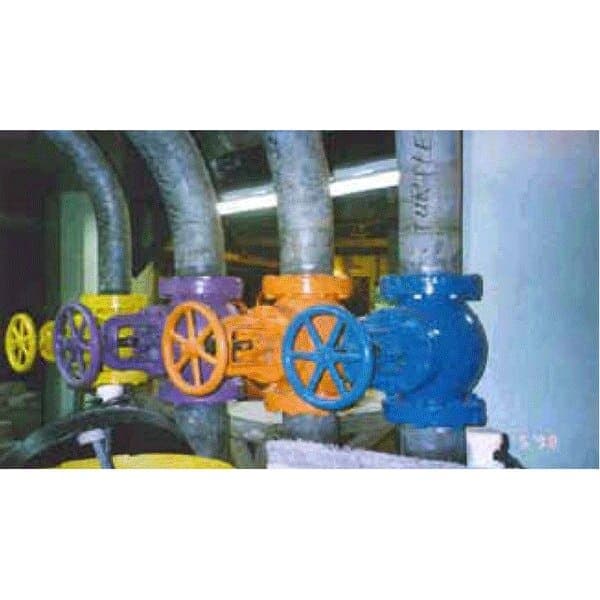
VPCI is available as a paint-on primer or topcoat for metal that is continually exposed to an open environment, such as valves. The coverage is complete – all surfaces, including crevices, cavities and other inaccessible void areas receive total protection. The VCI barrier is self-replenishing, even for packaging that is repeatedly opened and typically protects for up to 24 months.
VCI has many benefits such as:
Our VpCIs have an industry-proven track record with over 20 years of application and testing experience to ensure reliable results. We provide multi-metal protection (for ferrous and non-ferrous metals) so that all contact areas are protected. Get a simple application that’s safe for personnel and the environment with non-toxic and recyclable materials. Contact us today to request a quote!
Vapor phase corrosion inhibitors are largely used in storing replacement parts for machines (e.g. aircraft engine components or machine dyes) as well as some tools. Because not all supplies will be used quickly or may be stored in humid locations, VPCIs provide a method of maintaining component integrity until the part is needed.
AGM corrosion prevention products are used in sealed containers storing aerospace components, where controlling internal humidity and oxidation risk is critical during long-term storage.
Corrosion prevention solutions are applied to precision assemblies and machined components to help preserve tolerances and surface integrity during storage and transport.
In defense logistics environments, corrosion prevention supports preservation requirements for equipment stored in variable climates and extended deployment cycles.

VpCI stands for “Vapor phase Corrosion Inhibitors” a breakthrough technology where the corrosion inhibitor substance is transported to metal surfaces through a vapor phase instead of requiring actual contact with metal surfaces (as is typical with traditional VCIs).
Our products are non-toxic and several substrates are completely recyclable; there are no hazardous waste disposal costs.
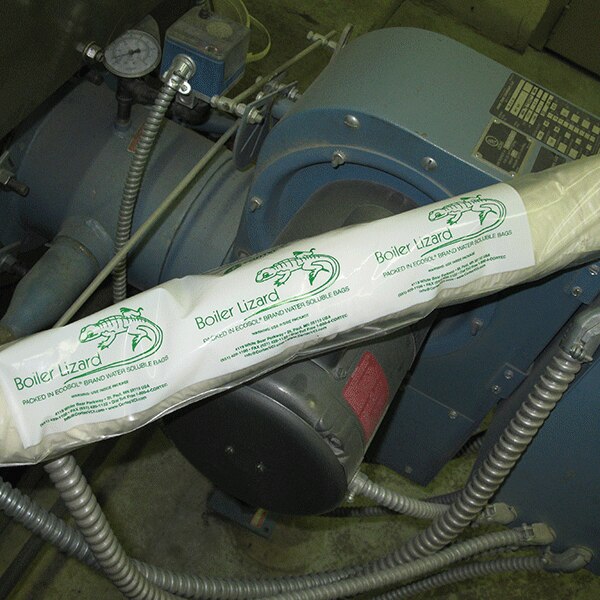
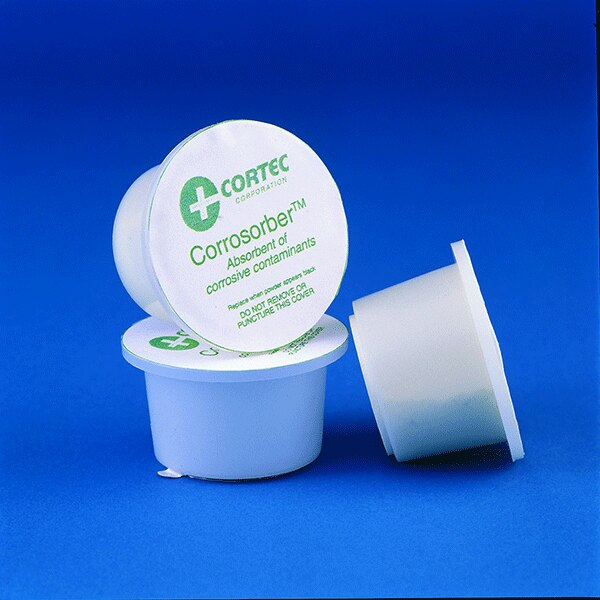
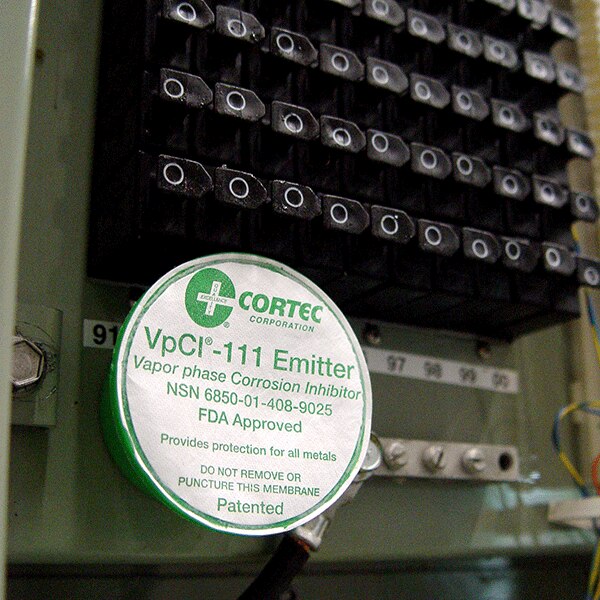
VpCI products are offered in a variety of formulations, including plastic films, papers, sprays, coatings, high density emitters, bubble and shrink wrap, liquid dips, liquid concentrate (water- and oil-based), grease, migratory power, and gel.
You may contact one of our Product Specialists at 520-412-7511, or send over information on your specific application on our contact page.
Corrosion inside sealed containers is typically caused by the presence of moisture and oxygen. Even when a container is sealed, trapped humidity or temperature fluctuations can create internal conditions that promote oxidation of metal surfaces over time. Managing internal humidity and environmental conditions helps reduce corrosion risk during storage and transport.
Yes. Sealed containers can still experience internal humidity changes due to trapped air, temperature variation, or pressure-driven air exchange. If moisture levels are not properly controlled, corrosion can develop even without visible external exposure.
Desiccants reduce internal humidity by absorbing moisture from the air inside a sealed container. Vapor corrosion inhibitors (VCIs) release protective molecules that form a temporary barrier on metal surfaces to help inhibit oxidation. Depending on storage conditions and risk factors, one or both approaches may be appropriate.
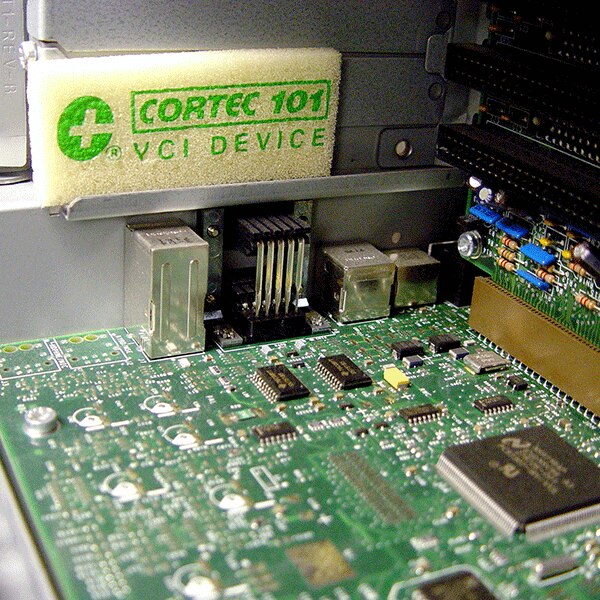
VCIs are commonly used when metal components require vapor-phase protection during storage or transport, particularly in enclosed environments where direct coatings may not be practical. VCIs may be used alone or in combination with moisture control solutions depending on storage duration and environmental conditions.
The duration of corrosion protection depends on factors such as storage environment, humidity levels, container integrity, and the type and quantity of protective materials used. Long-term storage applications may require engineered solutions based on enclosure size and expected environmental exposure.
The duration of corrosion protection depends on factors such as storage environment, humidity levels, container integrity, and the type and quantity of protective materials used. Long-term storage applications may require engineered solutions based on enclosure size and expected environmental exposure.
Corrosion prevention products are designed to reduce the risk of oxidation by controlling environmental conditions inside a container. While they help mitigate corrosion risk, proper container sealing, handling practices, and storage conditions also play important roles in overall protection.
Selecting an appropriate corrosion prevention approach depends on enclosure size, material type, storage duration, and environmental exposure. AGM can assist in evaluating application requirements and recommending moisture control, vapor corrosion inhibitors, or integrated environmental solutions as appropriate.
Yes. In many applications, corrosion prevention and moisture control are used together to manage both humidity levels and surface protection. Combining approaches may be beneficial in long-term storage or high-humidity environments.
It’s a lot, we know. If you’re looking for something specific or aren’t sure what you need, try searching through all products or give us a shout and we’ll help!